Lewisham shed clearance common problems and rubbish solutions
Posted on 18/06/2026
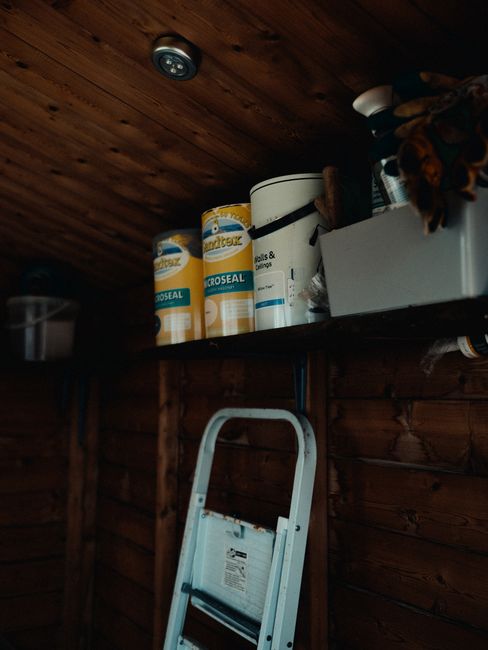
If your shed in Lewisham has turned into the place where "useful later" goes to die, you are not alone. Broken tools, paint tins, bike parts, old planters, damp cardboard, and that one mystery box from years ago can pile up fast. Lewisham shed clearance common problems and rubbish solutions is really about getting that space back without creating more stress, mess, or avoidable trips to the tip. The tricky part is that sheds seem simple until you open the door and realise half the contents need sorting, lifting, separating, or disposing of properly.
This guide walks through the real problems people run into, what usually works, and how to make the job feel manageable. You will also find practical steps, a comparison table, and a straightforward checklist so you can decide whether to do it yourself, split the job up, or bring in help. To be fair, most shed clearances are less about brute force and more about good judgement.
Why Lewisham shed clearance common problems and rubbish solutions Matters
A shed is supposed to be storage, not a long-term risk zone. In Lewisham, where gardens, side returns, shared access paths, and tighter outdoor spaces are common, a neglected shed can quickly become awkward to clear. Once items become damp, rusty, stacked poorly, or mixed together, the job stops being a tidy afternoon project and turns into a sorting exercise with real disposal decisions attached.
The reason this matters is simple: poor shed clearance creates problems at every stage. You may find blocked access, hidden sharp objects, awkward bulky waste, or items that cannot just be bagged up with household rubbish. A half-finished clearance can also attract pests, create smells, and make the space harder to use again. If you are preparing to move, renovate, or sell, this becomes more than an annoyance. It starts affecting the property itself.
There is also a local reality to consider. Many Lewisham homes have limited outdoor access, narrow passageways, or neighbours close by. So a shed clearance often needs a bit more planning than people expect. For related context on access and practical local movement issues, it can help to read what to know about access issues for Lewisham rubbish. That kind of planning saves time and avoids that awkward moment when a bulky item simply will not fit through the gate. Happens more often than people think.
How Lewisham shed clearance common problems and rubbish solutions Works
A good shed clearance is usually a sequence, not a single action. First you identify what is in the shed. Then you separate what stays, what can be reused, what should be recycled, and what needs disposal. Only after that do you move items out in a sensible order.
The common problems tend to fall into a few buckets:
- Clutter and mixed materials: tools, timber, plastics, garden waste, metal, and random household items all mixed together.
- Damaged or weathered contents: swollen wood, rusted fixings, mouldy cardboard, and broken storage boxes.
- Heavy or awkward items: old benches, paving leftovers, plant pots, compost bags, and half-dismantled shelves.
- Restricted access: tight side paths, steps, uneven ground, shared entrances, or a shed tucked behind other structures.
- Disposal uncertainty: people often know something must go, but not where it should go.
The rubbish solutions are equally practical. Reusable items can be set aside for donation, sale, or future use. Clean recyclable materials can be separated before collection. General rubbish can be bagged or boxed safely. Bulky items may need a dedicated removal approach. And if the job includes garden waste, builders' leftovers, or a large mixed load, it may be more efficient to use a broader waste solution rather than trying to force everything into one standard bin run.
That is where services such as waste removal in Lewisham or rubbish collection in Lewisham can be a practical fit, especially when the shed contents are mixed and time is tight. If the shed is part of a larger spring clean or garden reset, garden waste removal Lewisham may also be useful.
Key Benefits and Practical Advantages
Clearing a shed properly is not just about having more room. The value shows up in a few very concrete ways.
- Better use of space: you can actually store things you need, instead of digging through layers of old stuff.
- Lower safety risk: fewer sharp edges, unstable stacks, and hidden hazards.
- Less stress later: once the shed is sorted, future maintenance becomes easier.
- Improved property presentation: useful if you are moving, letting, or simply trying to keep the place in decent shape.
- Cleaner disposal decisions: separating materials now makes the rubbish side much simpler.
There is also a quiet mental benefit. A cleared shed feels different when you open the door. It is not just about order. It is that small relief of seeing floor space again and thinking, right, I can work with this.
For homeowners thinking more broadly about how clearance affects a property, house clearance in Lewisham and services overview can be useful starting points when the shed is only one part of a bigger tidy-up.
Who This Is For and When It Makes Sense
This topic is relevant to a wider group than you might expect. Shed clearance in Lewisham often makes sense for:
- homeowners who have let the shed become a catch-all space
- tenants clearing outdoor storage before moving out
- landlords preparing a property for the next occupant
- people doing post-garden-project clean-ups
- families dealing with inherited or long-unused items
- anyone trying to reclaim space for bikes, tools, or seasonal storage
It also makes sense after home improvement work, especially if the shed has become the temporary home for leftover materials. If your project created timber, offcuts, packaging, or broken fixtures, then you may need more than a standard house bin solution. In those cases, builders waste disposal Lewisham is often the better match.
It is worth asking yourself a simple question: is this a quick declutter, or a full clear-out with mixed rubbish and bulky items? The answer changes everything. And yes, the shed always looks smaller once you start.
Step-by-Step Guidance
Here is the cleanest way to tackle a shed clearance without turning the day into a chaos festival.
- Empty the entrance first. Make a clear path from the shed to the outside space. You need room to move safely, especially with awkward items.
- Sort before you lift too much. Create separate areas for keep, donate, recycle, rubbish, and unknown items.
- Check for hazards. Look for broken glass, nails, mould, old chemicals, leaking containers, and anything that could cause injury.
- Separate materials properly. Metal, clean wood, plastics, and garden waste should not all be thrown together if they can be separated.
- Bag and box smaller waste. Loose screws, broken bits, packaging, and lightweight debris are easier to manage when contained.
- Deal with bulky items last. Shelving, benches, old bike frames, or heavy pots are easier to move once the smaller clutter is gone.
- Plan the disposal route. Decide in advance what goes to reuse, what is recyclable, and what needs collection.
- Finish with a clean sweep. Once the shed is empty, sweep the floor, check corners, and inspect for damp or damage.
If the shed contains a lot of mixed waste, it may help to pair sorting with a proper collection plan rather than making repeated trips. That is usually the moment people realise a small job is actually a larger one. No drama, just reality.
For a broader view of how removal jobs are handled across the area, waste removal Lewisham is a sensible page to review alongside your planning.
Expert Tips for Better Results
There are a few habits that make shed clearance much smoother. Nothing fancy. Just practical things that stop the job from slowing down halfway through.
- Start in daylight. You will spot damage, damp, and hidden rubbish more easily in natural light. Early morning is often best; the shed is cooler and the job feels less oppressive.
- Use three container types. One for keep, one for recycle, one for rubbish. Simple wins.
- Lift by category, not by instinct. For example, clear all loose metal together rather than bouncing between different item types.
- Break down what you can safely dismantle. Flat items are easier to move and often cheaper to dispose of.
- Do not overfill bags. A bag that is too heavy becomes awkward fast, and awkward usually means unsafe.
- Keep a "maybe" pile small. Indecision is one of the biggest clearance delays. If you have not used it in years and it is broken, be honest.
A good rule of thumb: if you cannot explain why an item is staying in under ten seconds, it probably needs a second look. That line has saved many people half a shed, honestly.
And if your clearance is time-sensitive because you are moving or preparing a property, the pacing matters. On those jobs, one useful nearby read is emergency rubbish removal Lewisham delays and solutions. It helps frame the practical side of getting things sorted without panic.
Common Mistakes to Avoid
Most shed clearance problems are avoidable. The trouble is, people often make the same handful of mistakes because the job looks simpler than it is.
- Starting without a sort plan: if everything goes into one pile, the pile wins.
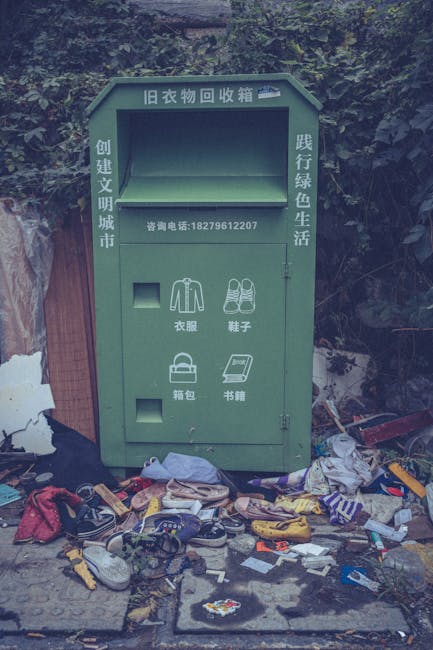
- Mixing garden waste with general rubbish: it complicates removal and recycling.
- Ignoring hidden liquids or chemicals: old paint, weed killer, fuel, and cleaning products need extra care.
- Leaving heavy items for the end: that is usually when fatigue hits and injuries happen.
- Assuming everything can go in household bins: not realistic for bulky or mixed loads.
- Forgetting access constraints: the item may leave the shed, but can it leave the garden?
The hidden mistake, the one people rarely say out loud, is emotional attachment to clutter. A bent rake might not be useful. That rusty tray probably is not going to become useful either. Letting go is part of the job. A little ruthless, maybe, but helpful.
Tools, Resources and Recommendations
You do not need an elaborate toolkit, but a few basics make a real difference.
- work gloves with decent grip
- sturdy bags or boxes for small waste
- a broom and dustpan
- a torch for darker corners
- basic labels or marker pens
- protective footwear
- dust mask if there is mould, dust, or old insulation nearby
If the shed has broken shelving or packed corners, a small hand trolley or sack truck can help, though only if the path is smooth and safe. If not, do not force it. Better to carry in smaller loads than fight a wobbling trolley down a narrow side return. We have all seen that film before. It rarely ends well.
For disposal planning and general service choices, you may also find these useful: pricing and quotes if you want to understand how jobs are typically costed, and recycling and sustainability if you want to think more carefully about what can be diverted from landfill.
Law, Compliance, Standards, or Best Practice
Any shed clearance that involves waste should be handled responsibly. In the UK, the main practical point is that waste should go through legitimate disposal routes, and hazardous items should not be mixed into ordinary rubbish. That is standard good practice, even when the job is small.
As a homeowner or tenant, you are generally expected to keep control of what leaves your property. That means checking that items are handed to a proper waste carrier, or taken to suitable disposal or recycling channels. For anything sharp, chemical, electrical, or potentially hazardous, caution is the right approach. If you are not sure what something is, do not guess.
It also helps to think in terms of duty of care and safety. That includes safe lifting, keeping access routes clear, and avoiding fly-tipping by making sure your waste is taken somewhere appropriate. No one wants their shed contents ending up in the wrong place because the cheapest option looked easy on the day.
For service credibility and peace of mind, it is sensible to review insurance and safety and, if you are comparing providers, about us to understand how a professional operation positions itself. A few minutes there can save a lot of worry later.
Options, Methods, or Comparison Table
Different shed clearance methods suit different situations. Here is a simple comparison to help you choose the least painful path.
| Method | Best for | Pros | Limitations |
|---|---|---|---|
| DIY clear-out | Small, dry sheds with mostly reusable or bagged items | Low direct cost, full control | Time-heavy, physical work, disposal complexity |
| Mixed self-clearance with recycling trips | Moderate clutter and clearly separated materials | Good for separating waste types | Multiple journeys, access and vehicle issues |
| Professional removal | Bulky, mixed, or time-sensitive shed clearances | Faster, less lifting, easier for awkward waste | Higher upfront cost |
| Combined clearance and garden tidy-up | Sheds that sit inside a larger outdoor project | Efficient for full refreshes | Needs clear planning to avoid mixed loads |
In practical terms, DIY works well when the shed is mostly tidy and the rubbish is light. Professional removal usually makes more sense when the contents are mixed, heavy, or awkward to move. There is no prize for doing the hardest version of the job just because you technically could.
If you need a broader comparison of related services, services overview gives helpful context, while house clearance in Lewisham is useful when the shed is part of a bigger clear-out.
Case Study or Real-World Example
Picture a typical Lewisham garden shed in late autumn. The door sticks slightly. Inside, there are cracked plant pots, a broken lawn edge trimmer, a box of cables, old timber offcuts, a half-used bag of compost gone hard at the corners, and two bicycles that have not moved in years. At first glance it looks like one job. In reality it is five jobs in one.
The most sensible approach in that situation is to work in layers. First, remove anything obviously reusable, such as functioning tools or spare pots. Next, isolate waste by type: timber, metal, plastic, garden waste, and general rubbish. Then check the corners for damp cardboard, mould, or hidden broken pieces. Finally, assess whether the remaining bulky items can be taken out safely or whether they need help.
What usually surprises people is not the volume, but the weight. A few wet bags, a couple of old fence panels, and a stack of broken items can feel heavier than expected. The sound of things shifting in the shed, the smell of damp wood, the dust rising when a box is moved - that is usually the point where people decide they should have started earlier. Fair enough.
In a case like this, a mixed collection solution often makes more sense than multiple DIY trips. If access is awkward or the load is substantial, using a service that handles general rubbish and bulky waste together can save a lot of back-and-forth.
Practical Checklist
Use this checklist before you start. It keeps the work focused and prevents the classic "I forgot about that corner" problem.
- Decide whether the shed is a quick tidy, partial clearance, or full empty-out.
- Set up separate areas for keep, recycle, donate, and rubbish.
- Put on gloves, sturdy shoes, and any needed protective gear.
- Check for broken glass, nails, pests, mould, and liquid containers.
- Confirm your access route from shed to exit is clear.
- Break down safe flat-pack items where possible.
- Bag loose waste before moving bulky items.
- Keep heavy lifting to manageable sizes.
- Arrange disposal or collection before the shed is fully empty.
- Sweep and inspect the shed once everything is out.
Practical summary: the best shed clearance is the one that is sorted before lifting starts, kept simple while you work, and finished with the waste already having a clear destination. That is the bit people skip, and then regret later.
Conclusion
Lewisham shed clearance common problems and rubbish solutions are really about turning a cluttered, awkward outdoor store into something usable again without creating safety risks or disposal headaches. Once you understand the usual trouble spots - mixed materials, damp waste, bulky items, and access issues - the whole job becomes less mysterious and much more manageable.
Whether you are doing it yourself or choosing help for the heavier bits, the aim is the same: sort carefully, move safely, and dispose responsibly. A shed does not need to be perfect. It just needs to stop fighting back every time you open the door.
Get a free quote today and see how much you can save.
And if all you achieve today is one clean corner and a clearer path to the back wall, that still counts. Sometimes that is where the momentum starts.

Copyright © . House Clearance Lewisham. All Rights Reserved.